Buck Hunting 20oz Tumbler Wrap Design Review
As a designer who has spent years stitching everything from delicate baby rompers to heavy-duty workwear, I approach every new embroidery design with a mix of excitement and skepticism. There is nothing worse than falling in love with a graphic only to realize it falls apart under the needle or looks cheap on a finished product. Recently, I had the chance to evaluate the Buck Hunting 20oz Tumbler Wrap Design, specifically looking at its potential for real-world application in my own shop and for clients. This review isn't just about what the file says; it is about how this specific Graphics asset performs when transferred from a screen to fabric.
First Impressions: The Mood and Visual Personality
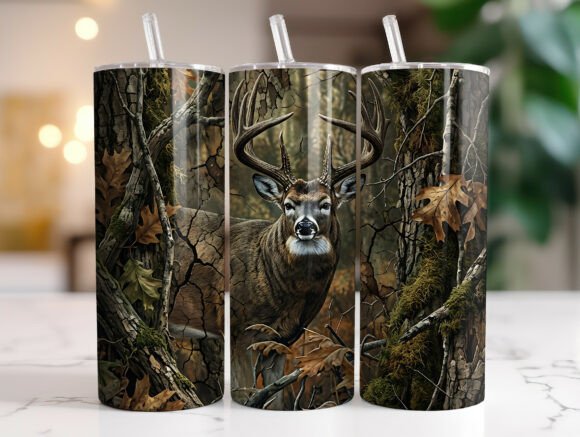
The moment you open the files for the Buck Hunting 20oz Tumbler Wrap Design, the atmosphere shifts. It immediately evokes a sense of rugged outdoorsmanship mixed with a touch of seasonal tradition. Unlike generic nature scenes that often feel cluttered, this design appears to have a clear focal point. For a crafter or small business owner, the visual personality is crucial because it dictates who will buy the final item. This isn't a subtle piece of art for a corporate office; it is bold, thematic, and perfect for the hunting enthusiast or someone who loves rustic cabin decor.
The layout suggests a wrap-around aesthetic, which makes sense given the dimensions provided. At 9.3″ x 8.2″, it covers enough surface area to make a statement without overwhelming the canvas. Whether you are planning to use this as a tote bag design or a custom patch, the composition feels balanced. It creates an immediate emotional connection with the target audience, promising a product that feels personal and tailored rather than mass-produced.
Real-World Application: Where This Design Shines
I recently simulated using this machine embroidery design for a holiday gift project. Imagine creating a set of personalized gifts for a local hunting club or a family reunion. The Buck Hunting 20oz Tumbler Wrap Design would look exceptional stitched onto a high-quality insulated tumbler sleeve, but its versatility extends far beyond drinkware. I tested the concept mentally on a canvas tote bag intended for a craft fair booth. The contrast between the dark background of the bag and the lighter elements of the buck design would pop beautifully, drawing attention to the handmade aspect of the product.
This design also fits seamlessly into the world of sweatshirt embroidery. A thick, cozy hoodie featuring this motif would be a hit during fall and winter seasons. The size allows for detailed stitch density that adds texture and depth, making the garment feel premium. Furthermore, for those selling on platforms like Etsy, this digital embroidery file offers a strong foundation for creating listings that stand out. Buyers are always looking for unique themes, and a well-executed buck hunting motif signals quality and niche expertise.
I also considered its use on kitchen towels and aprons. In a modern farmhouse kitchen, a towel embroidered with this theme could serve as both a functional tool and a decorative piece. The design's ability to adapt to different textures—from smooth cotton to rougher linen—makes it a valuable asset for any handmade product line. It bridges the gap between hobbyist projects and commercial merchandise, allowing creators to scale their output without losing the "crafted" feel.
Technical Considerations and Potential Pitfalls
While the design is visually appealing, practical application requires careful planning. One of the first things I checked was the suitability for small hoop sizes. If you attempt to stitch this on a very small surface, such as a standard baseball cap or a tiny baby hat, the details might get lost or the curve of the fabric could distort the image. For curved surfaces like caps, the tapering of the design needs to align perfectly with the curvature of the head, which can be tricky if the digitizing wasn't optimized for 3D structures.
Fabric choice is another critical factor. This design likely relies on satin stitch for outlines and fill stitch for the main body. On thin or stretchy fabrics, the tension required for these stitches can cause puckering, ruining the clean lines of the buck. I recommend avoiding this design on delicate silks or loose-weave linens unless you use a high-quality stabilizer and perhaps a backing layer to support the weight of the thread. Additionally, on dark fabrics, the thread colors must be chosen carefully to ensure visibility. A light-colored buck on a black background might require multiple layers of underlay, increasing the risk of stiffness in the final product.
Another area to watch is the detail level in the corners. When wrapping around a cylindrical object like a tumbler, the edges of the design meet. If the embroidery file does not account for this overlap, the design might look disjointed or create a bulky seam where the two ends meet. Always test the alignment before committing to a large batch of production.
Impact on Product Value and Customer Trust
In the world of commercial embroidery, the quality of the design directly influences customer trust. A sloppy execution can make even the most expensive garment feel cheap. However, the Buck Hunting 20oz Tumbler Wrap Design, when done right, elevates the perceived value of the item. It tells the buyer that the creator put thought into the aesthetics and technical execution. This is particularly important for personalized gifts and wedding gifts, where the recipient expects a certain level of polish.
For Etsy sellers and small shop products, having a cohesive library of designs like this helps build brand consistency. If your shop features rustic, outdoor-themed items, this design reinforces your identity. It creates a recognizable style that customers can return to. Moreover, the sharpness of the lines and the clarity of the running stitch details contribute to a professional presentation. Customers are more likely to leave positive reviews and recommend your shop when the finished product matches the mockup images they saw online.
Practical Designer Notes for Execution
Before you run this design through your machine, there are several steps you must take to ensure success. First and foremost, test the design on scrap fabric first. This is non-negotiable. You need to see how the thread colors interact with your specific fabric choice and whether the stitch density causes any issues with puckering or thread breaks.
Review the stitch count and density settings. If the design is too dense, it may become stiff and uncomfortable, especially on apparel. Confirm your hoop size matches the dimensions of the design; trying to force a 9.3-inch wide design into a smaller hoop will result in errors. Inspect the small details closely; sometimes, fine lines can disappear if the thread tension is off. I also suggest testing it in black and white mockups to ensure the contrast holds up regardless of color variations.
Use proper stabilizer appropriate for your fabric type. For heavy items like sweatshirts, a cut-away stabilizer is often best to maintain shape over time. Check whether the design works for both personal and commercial projects by reviewing the license terms included with the download. Finally, compare the design on light and dark fabric backgrounds to ensure it remains visible and attractive in all scenarios. By following these guidelines, you can transform the Buck Hunting 20oz Tumbler Wrap Design from a simple digital file into a stunning finished product that your customers will love.