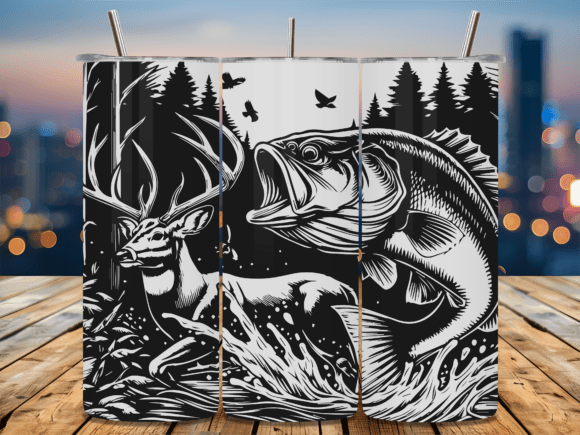
Reviewing American Hunting Fishing for Real Embroidery Work
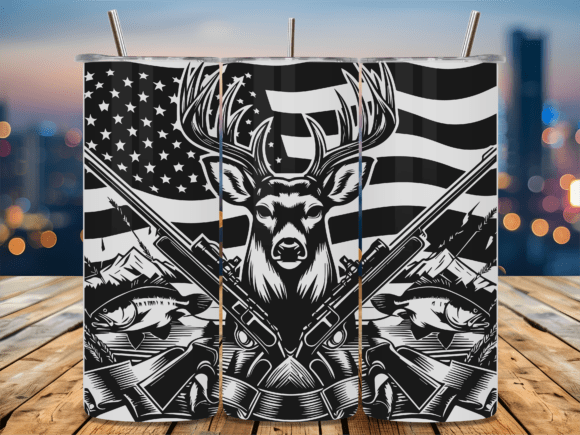
When I first opened the file labeled American Hunting Fishing, my initial reaction was less about the technical specs and more about the vibe it projected. As someone who has spent years reviewing embroidery designs for both personal hobbies and commercial client work, I know that a design's true test isn't in the digital preview but in how it translates to fabric. This piece immediately felt like it belonged in the heart of a craft business or a dedicated maker's studio. It carries a rugged, outdoorsy energy that suggests authenticity rather than mass-produced generic art.
The mood is distinct: it speaks to tradition, leisure, and the quiet satisfaction of time spent by the water or in the woods. For an embroiderer looking to create custom apparel, this design offers a strong visual anchor. It isn't just a collection of shapes; it feels like a statement piece ready to be stitched onto a durable tote bag, a cozy sweatshirt, or perhaps a high-quality apron for the weekend warrior. The layout suggests a balanced composition that works well as a central focal point, avoiding the cluttered look that often plagues busy thematic designs.
Bringing the Design to Life on Fabric
I recently decided to put American Hunting Fishing through its paces with a specific project idea: creating a line of boutique gift sets for local craft fairs. My goal was to produce personalized embroidered patches and small wall hangings that would appeal to outdoor enthusiasts without feeling cliché. The challenge with any thematic design is balancing detail with stitch density. If the design is too dense, the fabric puckers; if it is too sparse, the image loses definition after washing.
From a practical standpoint, this machine embroidery design seems built for medium-to-large hoop sizes where the details can breathe. When I visualized stitching this onto a heavy cotton canvas tote bag, the concept held up well. The imagery implies a narrative that customers connect with instantly. There is a sense of storytelling here that elevates the finished product from a simple accessory to a conversation starter. For an Etsy seller or a small shop owner, this kind of emotional resonance is crucial for driving sales and building brand loyalty.
However, the versatility of this design extends beyond just bags. Imagine this applied to a baby onesie or a nursery pillow cover. The theme might seem bold for a baby item at first glance, but with soft thread colors and careful placement, it could become a cherished heirloom piece for a family that loves the outdoors. Alternatively, placing it on a kitchen towel or a holiday gift set adds a rustic charm that fits perfectly into seasonal decor. The key is understanding how the design interacts with the texture of the material you choose.
Navigating Technical Challenges and Fabric Choices
While the artistic potential is clear, every experienced designer knows that execution is everything. There are specific scenarios where American Hunting Fishing requires a cautious approach. If you are working with thin or stretchy fabrics, such as lightweight t-shirts or jersey knits, you must be vigilant about stabilizer usage. A design with significant fill stitches can easily distort these materials if not properly supported underneath.
Curved surfaces present another hurdle. Attempting to stitch this onto a fitted cap or a curved hat brim requires precise digitizing adjustments to account for the tension changes across the curve. Without proper testing, the lines might appear warped or the text (if included) could become illegible. Similarly, textured fabrics like corduroy or thick fleece can hide fine details. In these cases, the intricate elements of the design might get lost in the nap of the fabric, reducing the overall impact of the finished product.
Dark fabrics also demand attention. While the design likely includes outlines or contrasting elements, achieving clean visibility on black or navy backgrounds often requires a higher thread count or a specific underlay strategy. If your machine settings aren't dialed in correctly, the design might look muddy rather than crisp. This is why checking the thread color contrast before starting a large production run is non-negotiable. You want your customer to see every line clearly, ensuring the product feels premium and professional.
Visual Appeal and Product Value
The way a design looks on screen is one thing; the way it sits on a garment is entirely different. American Hunting Fishing has the potential to significantly boost the perceived value of a handmade product. When a customer sees a well-executed, detailed embroidery on a custom shirt or patch, they perceive the item as unique and worth a higher price point. This design, with its thematic depth, supports that perception by adding a layer of sophistication to what might otherwise be a basic craft item.
For commercial embroidery projects, consistency is king. Using a design like this allows a brand to maintain a cohesive aesthetic across various products, from tote bags to aprons. It reinforces brand identity and makes your shop recognizable. Whether you are selling digital embroidery files or physical goods, the clarity and quality of the stitch work directly influence buyer trust. A sloppy stitch job can ruin the reputation of even the most beautiful design, so precision is paramount.
Practical Designer Notes for Success
Before you commit to using this design in a final production run, there are several steps I highly recommend taking. First, always test the design on scrap fabric that matches your intended project material. This allows you to see how the stitch density behaves and whether the fabric needs additional backing or a different type of stabilizer.
Check the small details carefully. Zoom in on the digital preview and inspect the corners and tight curves. Are there any areas where the stitches might collide? Is the lettering legible at the intended size? Sometimes, a design that looks great in full color appears broken when converted to black and white mockups. Testing in grayscale can reveal contrast issues that color masks.
Confirm the licensing terms before selling finished items or digital products. If you plan to use this as part of your craft business inventory, ensure you have the right to sell the physical goods created from the file. Additionally, review the recommended hoop size and thread colors suggested by the creator. Deviating too far from these recommendations can alter the balance of the design.
If you are an Etsy seller or a creative entrepreneur, consider how this design fits into your current catalog. Does it complement your existing style? Can it be adapted for different seasons or occasions? For example, while the theme is year-round, it might perform exceptionally well during fall holidays or summer camping season marketing campaigns.
Final Thoughts on Execution
In conclusion, American Hunting Fishing offers a compelling option for designers looking to add character to their embroidery projects. Its strength lies in its ability to convey a specific lifestyle and emotion, making it ideal for personalized gifts, custom apparel, and boutique branding. However, success depends on your technical skill and attention to detail during the stitching process.
By treating this design with the respect it deserves—testing thoroughly, choosing the right fabrics, and paying close attention to finish—you can create finished products that stand out in a crowded market. Whether you are making a single special gift or producing a batch for a craft fair, this design provides a solid foundation for creating something truly memorable. Just remember, the magic happens in the details, so take the time to perfect your setup before hitting the start button.