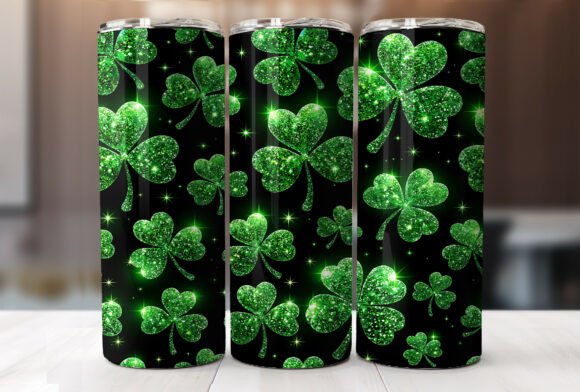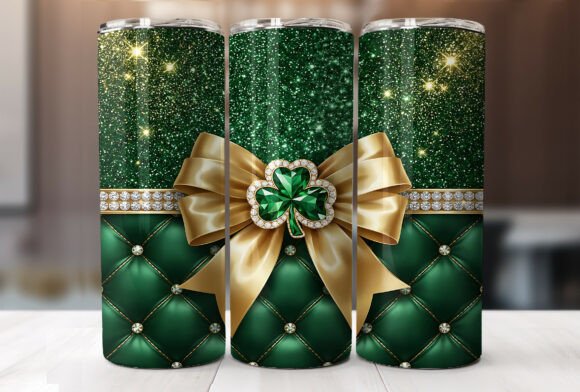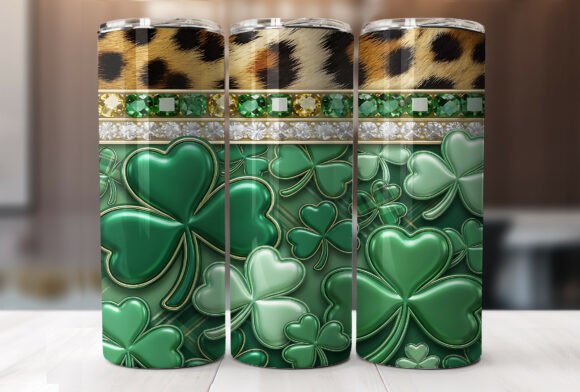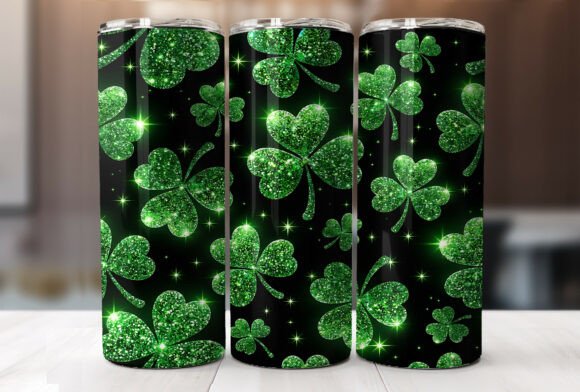
Glitter Shamrock St. Patrick s Tumbler Design Review
As a designer who has spent years stitching custom apparel and reviewing digital assets for my own boutique, I approach every new download with a mix of excitement and skepticism. The market is flooded with generic clip art, but finding a machine embroidery design that actually translates well from a screen to the fabric requires a keen eye. Today, I am evaluating the Glitter Shamrock St. Patrick s Tumbler, specifically looking at how it performs in real-world scenarios for small business owners, Etsy sellers, and hobbyists preparing for the spring season.
The first impression of this file is one of festive energy. While the title suggests a "tumbler wrap," the visual personality of the design feels versatile enough to stand on its own as a standalone graphic or a central motif on various textiles. The concept of a shamrock rendered with a glitter aesthetic immediately evokes a sense of celebration, making it perfect for holiday-specific projects. However, when you are an experienced embroiderer, the initial mood doesn't matter as much as the technical execution. Does the layout hold up? Is the detail level appropriate for the intended stitch density? Let's dig into how this design fits into a practical workflow.
Real-World Application: From Digital File to Finished Product
I recently considered using this asset for a batch of personalized gifts for a local client who runs a craft fair booth. The goal was to create a cohesive line of items featuring a St. Patrick's Day theme without looking mass-produced. The Glitter Shamrock St. Patrick s Tumbler offered a strong visual anchor. Because it is provided as a high-resolution PNG (2790×2460 pixels) rather than a native embroidery format like .DST or .PES, I had to consider how it would be converted if I were digitizing it myself, or how it would function as a printable mockup for pre-orders.
If you are planning to use this as a reference for a custom sweatshirt, the tapered shape mentioned in the description works beautifully for center-chest placements or vertical layouts on tote bags. Imagine a canvas tote bag embroidered with this design; the straight and tapered lines guide the eye naturally down the length of the bag. For a baby item, like a onesie or a burp cloth, the whimsical nature of the "glitter" effect can be simulated effectively using specific thread colors, adding a touch of luxury to a simple garment.
In a commercial setting, this design serves as excellent design assets for creating listings. If you sell handmade products, having a crisp, 300 DPI image allows you to generate professional-looking mockups that show customers exactly what they will receive. It helps build trust because the preview matches the final product's vibe. Whether you are decorating aprons for a kitchen workshop or creating patches for a denim jacket, the layout provides a solid foundation for branding your craft business.
Technical Performance and Stitch Considerations
When evaluating any embroidery project, the devil is always in the details. The Glitter Shamrock St. Patrick s Tumbler relies heavily on texture to convey its name. In a physical embroidery context, achieving a true "glitter" look often involves specific techniques, such as using metallic threads, sequins, or a combination of satin and fill stitches to create a raised, shimmering surface. If you are converting this graphic into a stitch file, you must pay close attention to the stitch density.
A design that looks great on a screen can become a mess on fabric if the density is too high, causing the material to pucker or the needle to break. Conversely, if the density is too low, the intricate corners of the shamrock might lose definition. I recommend checking the stabilizer requirements carefully. For stretchy fabrics like those used in caps or hoodies, a cut-away stabilizer is essential to prevent distortion. For stable fabrics like cotton tea towels, a tear-away might suffice, but testing is non-negotiable.
The resolution of 9.3×8.2 inches is substantial, which means this design is not ideal for tiny applications. Attempting to shrink this down for a child's hat or a small pocket placement could result in lost detail. The sharp edges of the taper need space to breathe. If you try to force this into a small hoop size, the machine might struggle to navigate the curves, leading to skipped stitches or thread breaks. Always verify the hoop size compatibility before committing to a large production run.
Where to Exercise Caution
While this design is vibrant and engaging, there are specific scenarios where it might not perform as expected. Textured fabrics, such as heavy waffle-weave towels or boucle knitwear, can obscure the fine lines of the design. The contrast between the thread and the fabric is crucial; on dark fabrics, a standard green thread might get lost unless you use a high-density underlay or a contrasting outline. If you plan to use this on a dark t-shirt, ensure your thread selection includes bright, reflective options to mimic the "glitter" promise.
Furthermore, avoid using this design on curved surfaces like baseball caps unless you have significant experience with curved hooping. The tapered shape is designed to follow a vertical axis, and forcing it onto a rounded crown can distort the proportions. Similarly, if you are working with thin, delicate fabrics like silk or chiffon, the weight of the stitches required to achieve the look might cause the material to tear or sag over time. These are common pitfalls for commercial embroidery projects, so knowing where not to apply the design is just as important as knowing where to use it.
Practical Designer Notes for Success
Before you hit the start button on your machine, take these steps to ensure your finished product meets professional standards. First, test the design on scrap fabric that matches your final material. This allows you to see how the thread colors interact with the background and whether the tension settings need adjustment. Second, inspect the small details in the design. Are there any areas where the stitch count seems excessive? If you are digitizing this yourself, simplify dense areas to prevent bulkiness.
It is also wise to review the design in black and white mockups. Sometimes, color distracts us from poor composition. If the silhouette holds up without color, the structure is sound. Additionally, confirm the licensing terms explicitly. Since this is a digital embroidery file or a graphic asset, check if you are allowed to sell finished items made with this design. Many creators assume all rights are included, but restrictions vary. Finally, compare light and dark fabric backgrounds during your testing phase to ensure the design remains legible and attractive across different product variations.
The Glitter Shamrock St. Patrick s Tumbler is a strong contender for anyone looking to add a polished, thematic element to their spring collection. It bridges the gap between a simple graphic and a complex embroidery piece, offering flexibility for everything from tote bag designs to holiday gifts. By approaching it with a critical eye and following best practices for stabilization and testing, you can transform this digital asset into a tangible, high-value item that your customers will love. Whether you are an Etsy seller expanding your inventory or a hobbyist crafting a unique present, this design offers a reliable foundation for creativity.