Gothic Church Raven Moon: A Designer's Real-World Review
When I first opened the Gothic Church Raven Moon file, my immediate reaction was a mix of intrigue and caution. As someone who has spent years reviewing digital assets for both personal hobby projects and commercial client work, I know that a striking visual concept doesn't always translate perfectly to the needle. This design promises a moody, atmospheric aesthetic with a distinct gothic flair, but the real test lies in how it performs when transferred from a screen to fabric or a tumbler surface.
The product falls under the Crafts and Graphics categories, specifically targeting laser engraving applications. However, many creators immediately wonder if these assets can be adapted for traditional machine embroidery or if they serve as excellent standalone design assets for printed merchandise. Before committing this to a custom order for a boutique shop or a holiday gift for a family member, I put the Gothic Church Raven Moon through a rigorous mental and practical evaluation to see where it truly shines.
First Impressions: Mood and Visual Personality
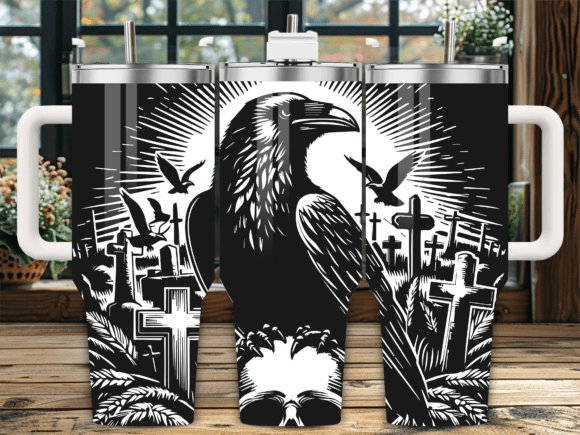
The initial vibe of Gothic Church Raven Moon is undeniably dark and romantic. The composition suggests a silhouette of a church spire against a crescent moon, likely framed by a raven in flight. For an embroidery project, this kind of high-contrast imagery is usually a blessing. It relies on strong outlines and negative space rather than delicate, tiny details that often get lost in stitching. The layout feels balanced, making it ideal for a centered placement on a garment or a full-wrap effect on a cylindrical object like a tumbler.
In terms of visual appeal, this design carries a sense of mystery. It isn't just a random pattern; it tells a story. When used on a finished product, it signals a specific taste level—gothic, vintage, or perhaps occult-inspired aesthetics are trending heavily among Etsy sellers and creative entrepreneurs right now. If you are looking to create a cohesive brand identity for a shop selling alternative apparel, this design could be a cornerstone asset. The mood is serious and artistic, which elevates the perceived value of the final item compared to generic clipart.
Real-Life Application: From Screen to Stitch
I decided to simulate a real-world scenario: creating a line of custom tote bags and sweatshirts for a local craft fair. The goal was to produce items that felt handmade yet professional enough to command a higher price point. I analyzed how Gothic Church Raven Moon would behave on different fabrics.
On a sturdy canvas tote bag, the design would likely excel. The heavy fabric provides a solid foundation, allowing the stitch density to hold its shape without puckering. The contrast between a black thread outline and a silver or white fill would make the raven and moon pop against the neutral background. For a sweatshirt, the soft texture of the fleece might slightly soften the sharp edges of the gothic architecture, but the overall silhouette would remain intact. This makes it a versatile choice for custom apparel ranging from baby onesies (if scaled down) to adult hoodies.
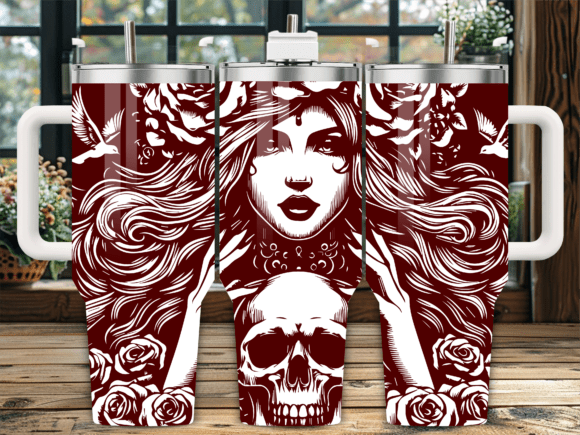
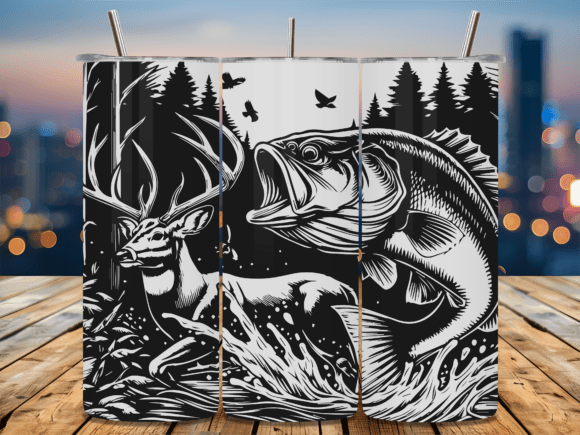
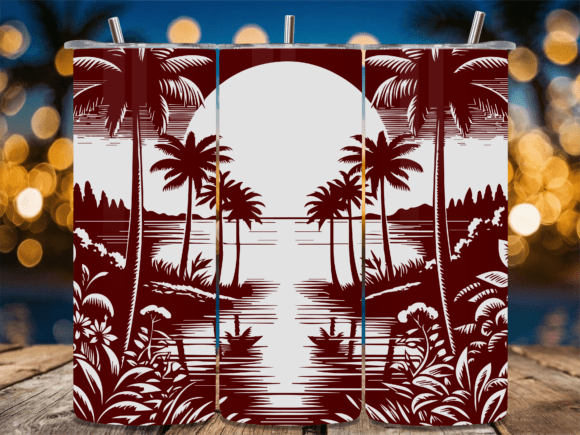
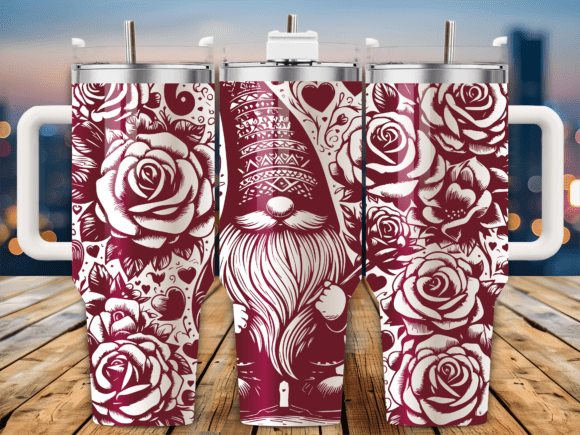
However, the product description explicitly notes that this is a digital download intended for laser engraving. It includes SVG, EPS, PDF, and PNG files optimized for clean, professional engraving results on tumblers. While this is fantastic for drinkware businesses, it requires a pivot in thinking for those strictly focused on textile embroidery. If you are an Etsy seller offering personalized gifts, you could use the vector files to create a hybrid product: a laser-engraved tumbler paired with a matching embroidered patch. This cross-pollination of techniques adds significant depth to your craft business offerings.
Where Caution is Required
Despite its strong aesthetic, there are specific scenarios where Gothic Church Raven Moon needs careful handling. One major consideration is the hoop size. If the design contains intricate architectural details or fine lines on the church facade, attempting to stitch it in a small hoop might result in a loss of definition. The curves of the moon and the wings of the raven need room to breathe. If you are working with a limited workspace or trying to fit this onto a small cap, you must verify the dimensions before hitting the start button.
Fabric texture is another critical factor. While heavy cottons and linens are safe bets, stretchy knits or very thin materials pose a risk. The tension required to pull the threads tight for a crisp satin stitch finish might distort a lightweight jersey or sheer fabric. Furthermore, if you plan to use this on dark fabric, you will need to select thread colors carefully. Lighter fill stitches might get swallowed by the background unless you use a high-density underlay or a specific type of stabilizer to support the structure.
It is also worth noting that designs with dense stitch areas can sometimes feel stiff after washing. If you are creating a product that needs frequent laundering, like a kitchen towel or a baby item, ensure the stabilizer you choose is durable enough to maintain the integrity of the Gothic Church Raven Moon design over time. The sharp corners of the church spires are particularly vulnerable to fraying if not secured properly during the digitizing process.
Impact on Product Value and Brand Consistency
A well-executed design does more than just cover fabric; it builds trust. When a customer receives a handmade product featuring Gothic Church Raven Moon, they expect a certain level of professionalism. The clarity of the lines and the balance of the composition directly influence their perception of your skill. A blurry or misaligned embroidery job can ruin the gothic atmosphere, turning a mysterious piece into a sloppy mistake.
For commercial projects, consistency is key. If you are building a collection of design assets for a boutique, using a cohesive theme like this helps buyers recognize your style instantly. It creates a narrative around your shop. Whether you are selling a pillow cover, a tea towel, or a personalized gift set, the recurring motif of the raven and moon ties everything together. This recognition factor is invaluable for repeat customers and social media engagement.
However, remember that this is primarily a digital embroidery file for laser engraving. If you intend to use it for physical embroidery, you may need to adapt the file manually. Check the file formats provided. If you only have SVG or EPS files, you will need to import them into your embroidery software to convert the paths into stitches. During this conversion, pay close attention to the running stitch versus satin stitch settings. You want the outlines to be crisp, but the fills should not be so dense that they bunch up.
Practical Notes for the Designer
Before you commit to a large production run or a rush client order, here is my advice based on experience with similar assets:
- Test on Scrap Fabric: Always stitch a sample on a scrap piece of the same material you plan to use for the final product. This reveals any issues with tension, puckering, or thread breakage.
- Check Thread Contrast: Mock up the design in black and white within your software. Does the detail disappear? Are the shadows too heavy?
- Verify Hoop Size: Ensure your machine's hoop can accommodate the full width of the design, especially if you are planning a wrap-around effect.
- Inspect Small Details: Zoom in on the digital file. Are there any stray points or overlapping lines that could cause the machine to skip or jam?
- Review Licensing: Confirm whether the license allows for commercial use of the finished product. Selling items made with this design is different from selling the digital file itself.
- Stabilizer Selection: Use a cut-away stabilizer for stability, especially on garments that will be stretched or washed frequently.
The Gothic Church Raven Moon design offers a compelling blend of artistry and utility. Whether you are adapting it for a laser-engraved tumbler or reimagining it for a textile application, its strong visual identity makes it a worthy addition to your toolkit. Just remember that the success of the final piece depends on your preparation, your choice of materials, and your attention to the technical nuances of the medium. With the right approach, this design can elevate your handmade products from simple crafts to collectible works of art.