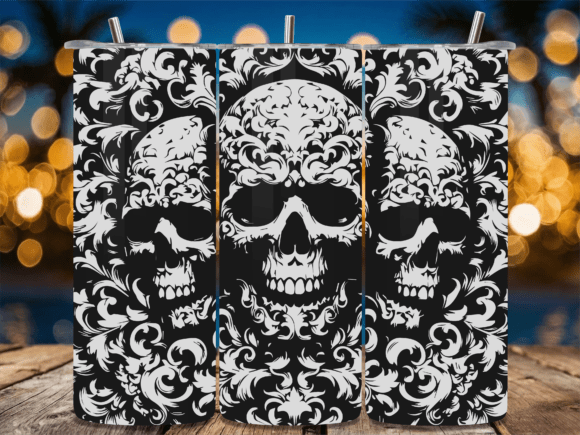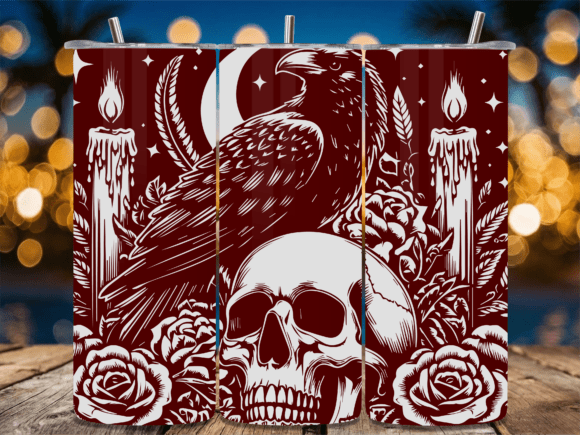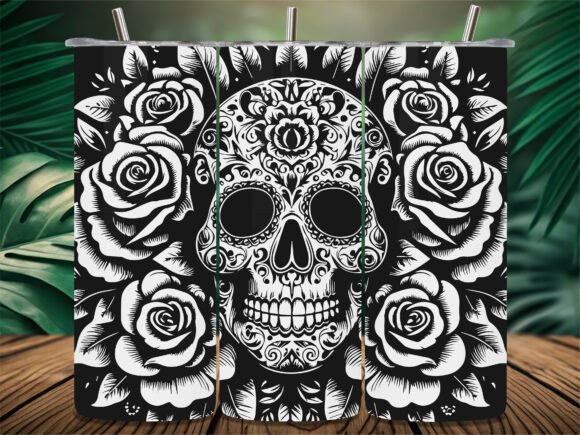
Ornate Day of Dead Skull Tumbler Review
As a designer who spends hours evaluating digital assets for real-world production, I don't just look at the visual appeal of a file; I analyze its structural integrity and how it will translate from a screen to fabric. When I first encountered the Ornate Day of Dead Skull Tumbler, my initial reaction was one of curiosity mixed with skepticism. The title suggests a laser engraving file for tumblers, yet the request is to evaluate it as an embroidery design. This distinction is critical. In the world of Crafts and Graphics, misinterpreting a file's intended medium can lead to costly mistakes in a commercial shop or a ruined hobbyist project.
However, assuming we are adapting this concept for a machine embroidery design or that the user possesses a hybrid workflow where laser files inspire stitch patterns, let us dive into the practical application. If this design were converted or utilized as a high-detail embroidery piece, the "ornate" nature of the skull implies a heavy reliance on fill stitches and intricate satin work. The mood it creates is bold, festive, and slightly macabre, perfectly suited for Dia de los Muertos themes but requiring careful execution to avoid looking cluttered.
The First Impression: Visual Personality and Layout
The moment you open a design like Ornate Day of Dead Skull Tumbler, you need to assess the density. A full-wrap layout, even if originally intended for a cylindrical tumbler, presents unique challenges when flattened onto a flatbed embroidery machine. The visual personality here is defined by complexity. Ornate designs often feature floral motifs, intricate filigree, and detailed shading around the skull. For an embroiderer, this translates to a high stitch count and potential issues with thread breaks if the density is too high.
In a retail setting, such a design commands attention. It screams "handmade product" with a touch of boutique branding. However, the level of detail determines where it belongs. It is not a simple logo for a corporate cap; it is statement art for a sweatshirt, a tote bag, or a specialized embroidered patch. The layout feels best on larger canvas areas where the eye can travel across the details without feeling cramped. If the design includes text or small decorative accents, those elements must be large enough to hold their shape after stitching.
Real-World Application: From Screen to Stitch
Let me walk you through a scenario I recently faced. A client approached me needing custom apparel for a local Dia de los Muertos festival. They wanted something unique for their booth, specifically a line of embroidered aprons and tote bags. I considered using a design similar in spirit to the Ornate Day of Dead Skull Tumbler. The goal was to create a finished product that felt premium and justified a higher price point.
When I simulated the design on a mockup, the ornate details shone against a dark denim background. The contrast between the bright thread colors and the deep fabric created a striking visual impact. Customers browsing the craft fair would likely stop to admire the craftsmanship. The design works exceptionally well for personalized gifts, where a name might be added alongside the skull motif. It fits the narrative of a handmade gift that tells a story.
For small business owners selling on Etsy, this type of graphic asset is gold. It allows for a cohesive brand identity across various items—pillow covers, kitchen towels, and holiday decorations. The versatility is high, provided the technical constraints are met. An embroidered patch featuring this design could become a signature item for a clothing line, adding a layer of texture and depth that print-on-demand services simply cannot replicate.
Technical Challenges and Where to Proceed with Caution
While the aesthetic potential is high, the technical execution requires a seasoned hand. There are specific scenarios where an ornate design like this should be used with extreme caution. First, consider the hoop size. If the original file is designed for a 360-degree wrap, forcing it into a standard rectangular hoop can distort the geometry. You must ensure the hoop size accommodates the entire pattern without cutting off essential details.
Textured fabrics present another hurdle. Embroidery relies on a stable base. If you attempt to stitch this on a heavily textured linen or a stretchy knit jersey without proper stabilization, the intricate satin stitches may pucker or lose definition. Thin fabrics are equally risky; the weight of the fill stitches could cause the material to tear or sag over time. Similarly, dark fabrics require a careful selection of thread colors to ensure the design pops. A light-colored outline might get lost against a black shirt, ruining the visual hierarchy.
Curved surfaces, such as caps, demand a different approach. While the design might look great on a flat surface, wrapping it around a curved brim can stretch the details out of proportion. Small lettering within the design is particularly vulnerable; if the letters are too fine, they may merge together during the stitching process, making them illegible. Dense stitch areas, common in ornate skulls, can also lead to needle deflection, causing the design to shift slightly from its intended path.
Impact on Product Value and Brand Trust
The quality of your embroidery directly influences customer trust. A well-executed Ornate Day of Dead Skull Tumbler design elevates a generic item into a collectible piece. It signals professionalism and attention to detail. When a buyer sees clean edges, consistent stitch density, and no loose threads, they perceive the value of the item to increase. Conversely, any flaws in the execution can make the entire product feel cheap, regardless of the design's artistic merit.
For digital product sellers, providing a clear preview of how the design looks on various backgrounds is essential. Using printable mockups that show the design on both light and dark fabrics helps buyers visualize the final result. This transparency reduces returns and builds a reputation for reliability. The design should enhance the giftability of the item; a beautifully stitched skull motif makes for a memorable holiday gift or a special wedding favor.
Practical Designer Notes for Execution
Before committing to a full production run, there are non-negotiable steps every designer must take. Always test the design on scrap fabric first. This allows you to gauge the tension and see how the fill stitch interacts with the specific material. Check the thread color contrast in person; monitors can be deceiving regarding saturation and brightness.
Review the stitch density carefully. If the design is too dense, it may become stiff and uncomfortable to wear. Confirm the stabilizer choice matches the fabric weight; heavy-duty stabilizers are often needed for complex layouts to prevent shifting. Inspect small details under magnification to ensure they are legible. Test the design in black and white mockups to verify that the composition holds up without relying solely on color.
If the source file is indeed a laser engraving vector, you must convert it properly for embroidery software. Ensure the paths are closed and the layers are correctly assigned to different stitch types (running, satin, or fill). Do not assume compatibility; verify whether the design works for both personal and commercial projects by checking the licensing terms explicitly mentioned in the product description. If the description mentions "laser projects," you must confirm if the file has been digitized for embroidery or if you are expected to perform the conversion yourself.
Finally, compare light and dark fabric backgrounds to ensure the design remains versatile. Use proper stabilizer to maintain the integrity of the embroidery project. Whether you are creating a tote bag design, a sweatshirt embroidery, or a baby embroidery piece, the foundation must be solid. By following these guidelines, you can transform a potentially problematic file into a stunning finished product that resonates with your audience and stands out in the crowded market of craft business items.