Pink Leopard Plaid Heart Tumbler Wrap Review
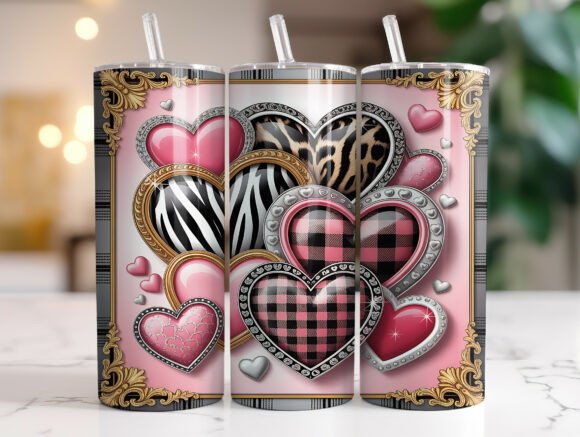
When I first opened the folder for Pink Leopard Plaid Heart Tumbler Wrap, my immediate reaction was a mix of curiosity and caution. As someone who has stitched thousands of designs, I know that a pretty image on a screen does not always translate to a clean stitch-out. This design presents a bold combination: the wild energy of leopard print mixed with the structured comfort of plaid, all framed within a classic heart shape. It is a graphic that demands attention, but in the world of machine embroidery, attention can easily turn into confusion if the density is off or the lines are too thin.
The product description notes that this is an instant download containing high-resolution PNG files at 300 DPI. While these are technically graphics intended for tumbler wraps, many creative entrepreneurs wonder if they can repurpose these assets for actual textile work. The dimensions of 9.3 inches by 8.2 inches suggest a large-scale impact, which is perfect for statement pieces but requires careful planning regarding hoop size and fabric stability.
First Impressions and Visual Personality
The mood of Pink Leopard Plaid Heart Tumbler Wrap is undeniably playful yet edgy. It speaks to a specific aesthetic that blends girly trends with a bit of rugged flair. Visually, the heart acts as a container for two distinct patterns. In a real-world application, this duality creates a rich texture that can elevate a simple tote bag or a plain sweatshirt into a boutique-level item. However, the layout relies heavily on the contrast between the jagged spots of the leopard and the intersecting lines of the plaid. If the embroidery thread colors do not provide enough separation, the design could visually merge into a muddy blob, losing its definition entirely.
For a designer eye, the appeal lies in the versatility of the theme. It feels right at home in a nursery for a trendy baby shower gift, on a denim jacket for a custom apparel project, or even as a decorative accent on a kitchen towel for a wedding present. The heart shape offers a natural focal point, making it an excellent choice for personalized gifts where the recipient wants something unique but not overly complicated.
Real-World Application: A Case Study
To truly understand how this design performs, let's imagine a practical scenario. Suppose I am preparing a batch of handmade products for a local craft fair. I want to create a line of embroidered aprons for a client who loves baking and has a very specific style preference. She likes pink, she likes animals, and she appreciates a touch of vintage charm. I decide to use Pink Leopard Plaid Heart Tumbler Wrap as the central motif on the chest of her apron.
I start by selecting a sturdy canvas fabric for the apron front. The challenge here is the pattern complexity. The plaid lines need to be rendered with precision so they don't disappear into the weave of the fabric. I would likely choose a satin stitch for the outline of the heart to give it a crisp border, separating it from the background. Inside the heart, the fill stitches must be dense enough to cover the base fabric completely but not so dense that the material becomes stiff and unwearable. If I were stitching this on a soft cotton tee, I would worry about the weight of the design pulling the garment out of shape. But on a heavy-duty apron, the structure holds up well.
Another potential use case involves creating a set of matching patches for a small shop's merchandise. Imagine a boutique selling handmade candles; adding a Pink Leopard Plaid Heart Tumbler Wrap patch to their packaging or a branded tote bag adds a cohesive visual identity. The "tumbler wrap" aspect of the name might mislead some, but as a graphic asset, it functions beautifully as a standalone logo or decorative element. Customers often react positively to this kind of layered pattern because it looks expensive and thoughtfully designed, increasing the perceived value of the finished product.
Technical Considerations and Stitch Clarity
While the concept is strong, there are technical hurdles to consider when moving from a digital file to a physical stitch-out. The primary concern is the intersection of two complex patterns within a single shape. When converting this to an embroidery file, the software must interpret the plaid and leopard spots correctly. If the stitch density is too low, the intricate details of the plaid grid will vanish, leaving only vague shapes. Conversely, if the density is too high, you risk puckering, especially on thinner fabrics like jersey or light-weight polyester often used for tumblers or sportswear.
I strongly advise testing this design on scrap fabric before committing to a final product. Pay close attention to the corners of the heart and the edges of the plaid lines. These areas are prone to thread breaks or skipped stitches if the design isn't optimized for your specific machine. You also need to consider the thread colors. A monochromatic approach might lose the distinction between the leopard and the plaid, whereas using contrasting thread colors—perhaps a deep magenta for the plaid and a lighter blush for the spots—can make the design pop.
Stabilizer selection is another critical factor. Because the design covers a significant area (9.3″ x 8.2″), a cut-away stabilizer is usually necessary to prevent shifting and distortion during the stitching process. For stretchy fabrics like sweatshirts or caps, a tear-away might suffice, but you must ensure the fabric is hooped tightly to avoid any warping of the heart shape.
Where to Use Caution
Not every surface is suitable for this particular design. I would hesitate to use Pink Leopard Plaid Heart Tumbler Wrap on small hoop sizes unless the design is scaled down significantly, which might sacrifice the detail that makes it attractive. Tiny lettering or fine details in the plaid pattern can get lost on small items like cap brims or baby onesies if the scale is not adjusted perfectly.
Dark fabrics present another challenge. If you plan to embroider this on a black or navy shirt, the white or light threads needed for the plaid and leopard spots might require multiple passes, increasing the risk of thread buildup and stiffness. Additionally, textured fabrics like fleece or heavy corduroy can obscure the finer lines of the plaid, making the design look less sharp than intended. Curved surfaces, such as hats, can also distort the geometry of the heart, so flat surfaces like tote bags, pillow covers, and kitchen towels remain the safest and most effective choices.
Final Thoughts for Designers and Sellers
Pink Leopard Plaid Heart Tumbler Wrap is a versatile asset that can bring a burst of personality to a wide range of projects. Whether you are an Etsy seller looking to expand your catalog with unique graphic elements or a hobbyist wanting to create a one-of-a-kind gift, this design offers a compelling visual narrative. However, success depends on execution. Always review the stitch density, confirm your hoop size, and test your thread color combinations before mass-producing.
Remember to check the licensing terms carefully. Since this is a digital file provided as a printable graphic, you must verify whether you are allowed to use it for commercial purposes, such as selling finished embroidered items. Assuming the license permits it, this design has the potential to become a staple in your collection of embroidery project ideas. By treating it with the same respect you would a custom digitized file, you can ensure that your finished product reflects the quality and professionalism that your customers expect.
In conclusion, while the name suggests a specific use case, the creativity of the maker knows no bounds. With the right preparation and attention to detail, Pink Leopard Plaid Heart Tumbler Wrap can transform a simple piece of fabric into a conversation starter, proving that sometimes the best designs are the ones that break the mold of traditional expectations.