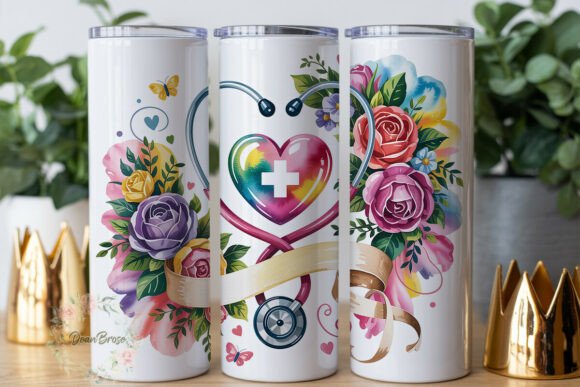
Watercolor Nurse Stethoscope Tumbler
As a designer who spends more time staring at stitch charts and fabric swatches than sleeping, I approach every new digital asset with a healthy dose of skepticism. The market is flooded with generic clipart disguised as embroidery files, and too often, what looks beautiful on a screen falls apart under the needle. Recently, I had the chance to evaluate the Watercolor Nurse Stethoscope Tumbler design for potential use in my own small business line and client projects. This review isn’t just about whether it “looks nice”; it’s about how this embroidery project translates from a digital file into a tangible, sellable handmade product.
First Impressions: Mood and Visual Personality
The moment you open the preview, the Watercolor Nurse Stethoscope Tumbler strikes a specific chord. It avoids the rigid, clinical look of traditional medical icons by leaning heavily into a soft, artistic aesthetic. The watercolor effect suggests fluidity and warmth, which is crucial when targeting healthcare professionals who are often overwhelmed and in need of comfort. For an Etsy seller or small shop owner, this distinction matters. You aren’t just selling a stethoscope; you are selling empathy and style.
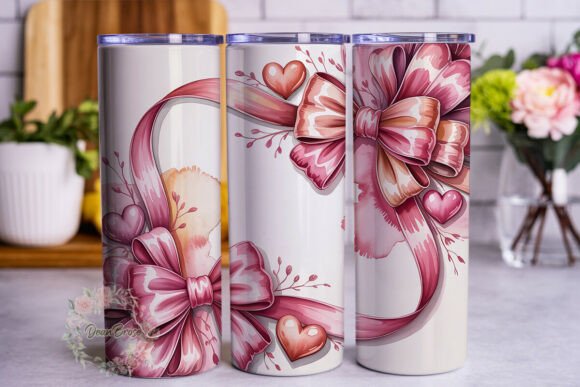
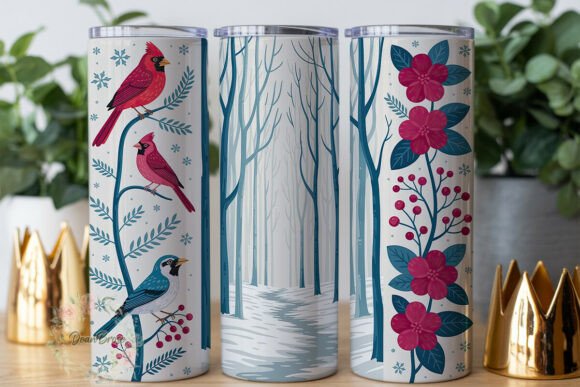
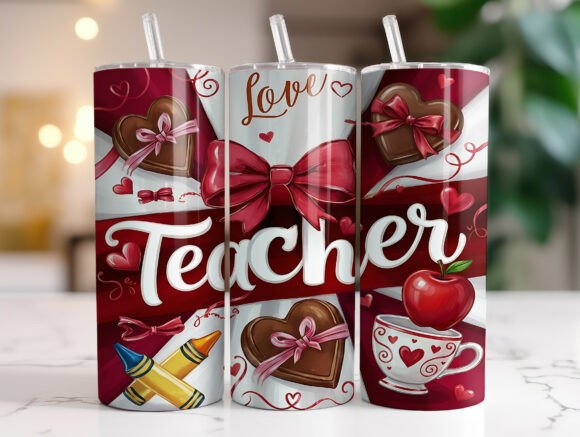
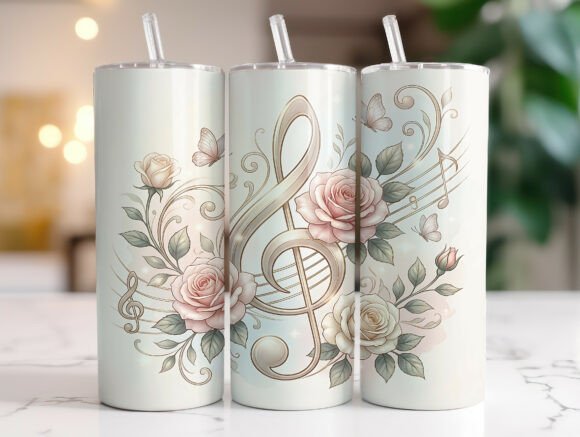
The layout feels balanced, likely designed to wrap around cylindrical surfaces effectively. In the world of Tumbler Wraps, symmetry and edge alignment are everything. If the design is intended for a straight or tapered tumbler, the visual weight needs to hold up even when the perspective shifts slightly during printing or application. Here, the central focus remains clear, while the surrounding elements provide enough texture to keep the eye moving without causing clutter. It feels professional yet approachable—a rare combination in digital design assets.
Real-World Application: Beyond the Screen
I recently considered using this design for a batch of custom gifts for a local nurse’s station holiday party. While the title mentions tumblers, the versatility of this machine embroidery design (or high-resolution print graphic) allows for creative cross-pollination. Imagine this same artwork adapted for a heavy-duty canvas tote bag or a cozy sweatshirt embroidery piece for a nursing student’s graduation gift.
When evaluating its fit for custom apparel, the first thing I checked was the level of detail. Watercolor styles rely on subtle gradients and soft edges. In embroidery, these are achieved through careful digitizing—using satin stitch outlines to contain softer fill stitch areas or delicate running stitch accents for highlights. If this file is optimized well, it should translate beautifully onto a cotton blend hoodie, offering a premium feel that distinguishes your craft business from mass-produced items.
For personalized gifts, the theme is universally appealing. Nurses, doctors, EMTs, and medical students all connect with the imagery. By incorporating this design into a boutique product line, you tap into an emotional buyer motivation. Customers aren’t just buying a decoration; they are buying recognition for a hardworking profession. This increases the perceived value of your finished product and can justify a higher price point in your Etsy listings.
Technical Considerations and Potential Pitfalls
No design is perfect, and understanding where a file might struggle is part of being a responsible designer. The Watercolor Nurse Stethoscope Tumbler presents specific challenges depending on your substrate and technique.
- Fabric Texture: Watercolor effects can get lost on highly textured fabrics like bouclé or heavy waffle weaves. The fine details may blur, losing the artistic intent. Stick to smooth cottons, polyesters, or blends for the cleanest result.
- Hoop Size Constraints: If you are attempting to digitize this for a very small hoop size (like 4x4 inches), some of the finer gradient transitions might become muddy. Ensure your hoop size allows enough space for the design to breathe. If the original dimensions are large, scaling down too aggressively will compromise clarity.
- Dark vs. Light Fabrics: The contrast is key here. On dark fabrics, you will need a robust underlay and possibly white backing threads to make the colors pop. On light fabrics, ensure the darker lines have enough definition so the design doesn’t wash out. Always test your thread colors against your actual fabric stock.
- Stitch Density: High-density areas can cause puckering, especially on thinner materials like jersey knits used for baby clothes or lightweight tees. Check the stitch density of the file. If it’s too dense, consider using a cut-applique method or reducing the fill area for better drape.
Practical Designer Notes for Implementation
Before committing to a full production run, I strongly advise running a series of tests. First, create a printable mockup to see how the design interacts with your specific product shape. Does it wrap correctly? Are there awkward gaps at the seams?
If you are digitizing this yourself or sending it to a digitizer, inspect the small details closely. Look for any overlapping stitches that might cause thread breaks or visible jumps. Use a black-and-white filter on your preview to check contrast levels; if the design loses its structure in grayscale, it will likely struggle in color embroidery due to lack of tonal separation.
Also, verify the licensing terms. As a commercial embroidery resource, you need to know if you are allowed to sell finished goods made from this file. Some digital embroidery files are for personal use only, while others grant commercial rights with restrictions. Clearing this up early protects your brand consistency and legal standing.
Final Verdict
The Watercolor Nurse Stethoscope Tumbler is a strong contender for anyone looking to expand their medical-themed offerings. It balances artistic flair with professional relevance, making it suitable for a wide range of applications—from tumbler wraps to aprons and pillow covers. Its success ultimately depends on execution: choosing the right fabric, stabilizer, and thread palette.
For the creative entrepreneur willing to put in the prep work, this design offers a solid foundation for building trust with buyers who appreciate quality and thoughtfulness. It’s not just a graphic; it’s a tool for creating meaningful connections through craft. Just remember to test thoroughly, respect the material limitations, and always prioritize the finish quality that keeps customers coming back to your shop.