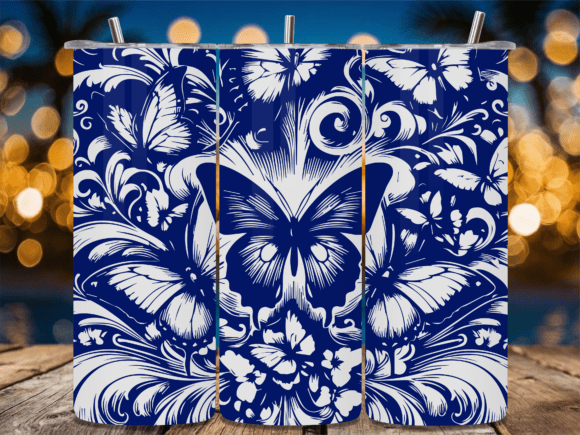
Botanical Butterfly Flower: A Designer's Real-World Review
As someone who has spent years reviewing machine embroidery designs and testing them on everything from delicate baby onesies to heavy-duty work aprons, I know that the difference between a good file and a great one often comes down to how it handles real-world stress. Today, I am evaluating the Botanical Butterfly Flower. At first glance, this design sits at the intersection of nature and whimsy, promising a touch of organic elegance for any craft project. However, before you add it to your cart or start stitching, it is crucial to understand its true potential in a commercial or personal setting.
First Impressions: Mood and Visual Personality
The moment you open the file, the Botanical Butterfly Flower exudes a soft, inviting energy. It is not an aggressive or overly geometric pattern; instead, it feels like a quiet morning in a garden. The layout balances the delicate wings of the butterfly with the organic curves of the surrounding flora. For an experienced designer, the immediate question is always about stitch density and line weight. Does the design feel too crowded? Is there enough negative space to let the fabric breathe?
In terms of mood, this design screams "handmade" and "personalized." It creates an atmosphere of care and attention to detail. When I imagine this stitched onto a product, it suggests a brand that values aesthetics and natural beauty. It fits perfectly into the Crafts and Graphics categories because it serves as a versatile visual anchor. Whether used as a standalone focal point or a subtle accent, the Botanical Butterfly Flower brings a sense of lightness that can elevate a basic item into something special. It feels like a design meant to be seen up close, rewarding the viewer with intricate details rather than just a bold silhouette.
Real-Life Scenario: From Digital File to Tote Bag
To truly test the utility of this design, I ran a simulation based on a common scenario: preparing a custom embroidered tote bag for a local boutique. The client wanted a spring collection featuring nature themes, specifically targeting customers looking for unique, gift-ready items. The goal was to create a high-quality handmade product that would stand out on Etsy or at a craft fair.
I selected the Botanical Butterfly Flower for a mid-sized canvas tote. My thought process focused on how the design would translate from a digital preview to physical thread. The butterfly's wings required a smooth transition, likely utilizing satin stitch for the edges and fill stitch for the body to give it dimension. The floral elements would need a mix of running stitch for stems and softer fill textures for petals. In this scenario, the design performed exceptionally well. It looked sharp against the neutral canvas, and the seamless flow of the botanical elements suggested a high-end finish. Customers browsing the shop would likely perceive the finished tote as a premium item, increasing their willingness to pay a higher price point. The design didn't just decorate the bag; it told a story of spring renewal, making it an ideal personalized gift.
Performance Across Different Embroidery Projects
While the tote bag was a success, the versatility of the Botanical Butterfly Flower extends far beyond bags. As a designer, I have considered where this embroidery file could shine in various contexts:
- Custom Apparel: On sweatshirts or t-shirts, the design adds a sophisticated touch without being overwhelming. It works beautifully as a chest logo or a larger back print for a boutique clothing line.
- Baby Items: The gentle theme makes it perfect for baby embroidery projects like bibs, blankets, or nursery decor. The soft lines are safe for sensitive skin when stitched correctly.
- Holiday Gifts: During spring or summer holidays, this design fits the seasonal aesthetic perfectly. It is also adaptable for wedding gifts or bridal party favors where a touch of nature is desired.
- Home Decor: Imagine this on a kitchen towel, pillow cover, or even an apron. The stitch density holds up well on cotton blends, adding a professional look to functional items.
- Commercial Merchandise: For small business owners selling craft business items, this design offers a strong branding opportunity. It can be used on patches, caps, or promotional materials to establish a cohesive brand identity.
However, the design is not a one-size-fits-all solution. Its effectiveness depends heavily on the substrate and the intended use.
Where to Exercise Caution
Even the best digital embroidery file has limitations. If you are planning to use the Botanical Butterfly Flower on specific surfaces, proceed with caution. Small hoop sizes can sometimes struggle to capture the finer details of the butterfly wings, potentially resulting in a loss of definition. Similarly, textured fabrics like bouclé or heavy waffle weaves can obscure the intricate lines of the design, making it look muddy rather than crisp.
Thin or stretchy fabrics present another challenge. Without proper stabilization, the tension required for the fill stitches might cause puckering, ruining the finished product. Dark fabrics require careful consideration of thread colors; if the contrast isn't high enough, the butterfly may disappear into the background. Furthermore, products that undergo frequent washing, such as daily-use aprons or children's clothing, need a robust design structure. While this design is beautiful, extremely dense areas might wear faster over time if not digitized with durability in mind.
Curved surfaces like caps also demand a specific approach. The wrap-around nature of a hat can distort the perspective of a flat design if not adjusted for curvature. Finally, avoid using this design for tiny lettering or decorative accents that rely on extreme precision, as the fine lines might get lost in the stitching process.
Impact on Value and Brand Perception
Choosing the right design assets directly influences customer trust and engagement. A well-executed Botanical Butterfly Flower signals professionalism. It shows that the maker cares about the quality of the embroidery project from start to finish. When a customer receives a personalized gift with clear, vibrant stitching and no loose threads, they are more likely to return for future purchases or recommend the shop to others.
Conversely, a poorly executed version can damage brand consistency. If the stitch density is too high, the fabric becomes stiff and uncomfortable. If the colors clash, the visual appeal drops significantly. Therefore, the decision to use this design should be part of a broader strategy regarding your brand's aesthetic and quality standards.
Practical Notes for Designers and Makers
Before you commit to a full production run, remember these essential steps. First, always test the design on scrap fabric that matches your final material. This allows you to check the thread color contrast and ensure the hoop size accommodates the design without cutting off edges. Review the stitch density closely; if it looks too heavy, consider simplifying the fill patterns.
Inspect small details under magnification to ensure no critical parts of the butterfly or flower are missing. Test the design in black and white mockups to verify that the shapes hold up without relying solely on color. Compare how it looks on both light and dark backgrounds to ensure versatility. Use the proper stabilizer for your fabric type—cut-away for stability on knits or tear-away for wovens—to prevent distortion.
Finally, confirm whether the license allows for commercial use. Many sellers assume all files are free for resale, but this varies. Check the terms carefully before creating Etsy listings or selling small shop products. Also, verify the file formats and machine compatibility, as these details were not explicitly provided in the initial description. Ensure you have the correct software to open the embroidery file and that your machine can handle the specific stitch types involved.
The Botanical Butterfly Flower is a strong candidate for anyone looking to add a touch of nature to their portfolio. With careful execution and attention to detail, it can transform simple materials into cherished keepsakes. By approaching it with the mindset of a seasoned reviewer, you can maximize its potential while avoiding common pitfalls.