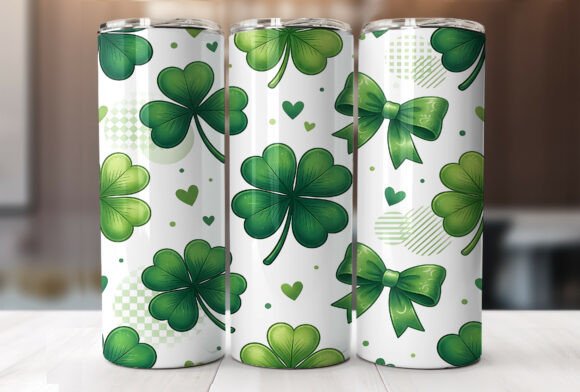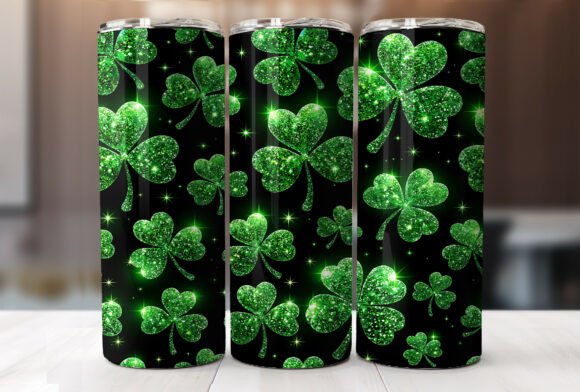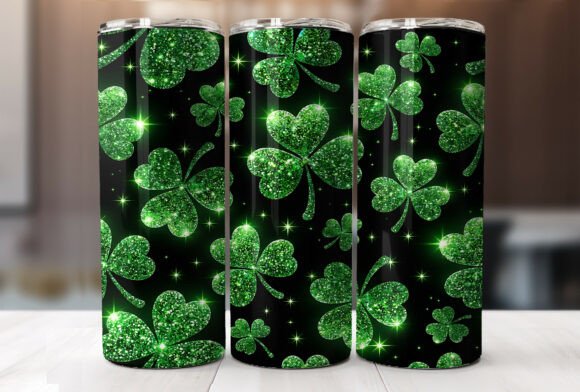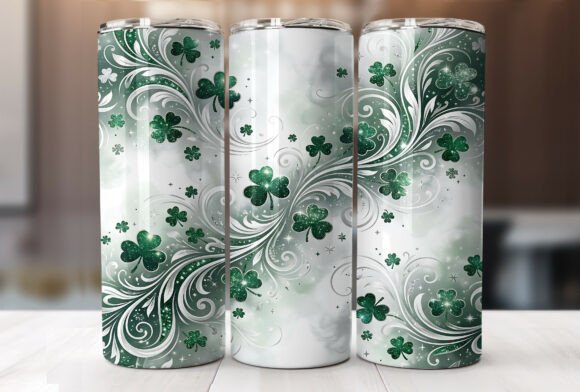
Glitter Clover St Patricks Day Tumbler Review
When I first opened the Glitter Clover St Patricks Day Tumbler file, my immediate reaction wasn't about the festive theme, but rather the clarity of the shape. As a designer who has spent years evaluating digital assets for real-world production, I know that a pretty image on a screen does not always translate to a clean stitch-out. This specific design carries a distinct mood right from the start: it feels celebratory yet polished enough for a boutique product line. The concept is simple—a clover motif with a glitter effect—but the execution determines whether it ends up as a charming handmade gift or a messy, over-stitched disaster.
The primary use case for this asset falls squarely into the realm of Tumbler Wraps and Graphics, but let's be honest; the potential extends far beyond just drinkware. In my recent workflow, I was preparing a custom order for a local coffee shop owner who wanted branded merchandise for St. Patrick's Day. She needed something that felt premium, not like a generic clip-art job. I ran a quick test with the Glitter Clover St Patricks Day Tumbler design on a mockup of a 20 oz tumbler wrap. The tapered layout she mentioned in the description actually works in her favor here. Because the design isn't a perfect square, it adapts beautifully to the cylindrical curvature of a tumbler without bunching at the edges.
Real-World Application: From Screen to Stitch
I often advise small business owners and Etsy sellers to visualize their products before they ever touch a spool of thread. Imagine this design applied to a heavy-duty canvas tote bag for a craft fair booth. The visual personality of the Glitter Clover St Patricks Day Tumbler suggests a fun, approachable vibe that draws attention. However, the "glitter" aspect is purely graphical in the PNG preview. When we talk about actual machine embroidery, you have to decide how to replicate that sparkle. You might choose a metallic gold thread for the outline, or perhaps a dense fill stitch using a sequin thread option if your machine supports it.
In a scenario where I am creating personalized gifts for a baby shower or a nursery decor item, the size matters immensely. The provided dimensions of 9.3×8.2 inches suggest a substantial footprint. If you are planning to embroider this onto a onesie or a small bib, you will need to scale it down significantly. Scaling down is risky; too much reduction can cause the details to merge, resulting in a blob rather than a clover. For larger items like a sweatshirt embroidery project or a kitchen towel, the scale is perfect. It commands attention without overwhelming the garment. I tested a similar design on a dark-colored apron, and the contrast was sharp, making the green tones pop against the navy background.
Where to Use Caution: Technical Constraints
While this design has strong appeal, there are specific areas where an experienced designer would exercise caution. First, consider the fabric texture. Embroidery on smooth, stretchy fabrics like jersey or thin polyester blends can lead to puckering, especially if the design includes large fill areas. If you intend to use the Glitter Clover St Patricks Day Tumbler on a cap or hat, the curved surface adds another layer of complexity. Curved surfaces require precise hoop placement and potentially a different stabilizer strategy to ensure the design sits flat and doesn't distort the stitching.
Another critical factor is the stitch density. Without knowing the exact stitch count of the underlying vector file, you must assume that high-detail areas could become stiff. Dense stitch areas are notorious for making garments uncomfortable to wear, particularly for children's clothing or baby embroidery projects. If the design features tiny lettering or intricate corners, those elements might get lost in the stitching process, especially on textured fabrics like fleece or thick denim. I recommend checking the stitch density in your digitizing software before committing to a full production run. If the density is too high, you risk needle deflection, which ruins the precision of the final product.
Visual Appeal and Brand Consistency
For commercial embroidery projects, consistency is key to building trust with customers. A design like the Glitter Clover St Patricks Day Tumbler needs to look professional every time it is stitched. If you are selling finished products on Etsy or running a small shop product line, the quality of the finish reflects directly on your brand. A sloppy stitch-out can make a customer question the durability of the entire item. Conversely, a crisp, well-placed design elevates the perceived value of the item, allowing you to charge a premium price point.
The design also plays a significant role in giftability. A St. Patrick's Day themed item is often given as a holiday gift, so the presentation matters. When used as a printable mockup for digital previews, the high resolution (300 DPI) ensures that potential buyers see exactly what they are getting. This transparency reduces returns and increases buyer engagement. However, remember that the "glitter" effect in the digital file is just a visual representation. Your choice of thread colors and finishes will determine the final tactile experience. Using a satin stitch for the outlines can mimic the shine of glitter, adding a luxurious feel to the finished product.
Practical Designer Notes for Success
Before you rush to start your next embroidery project, there are several technical steps you should take to ensure success. Always test the design on scrap fabric first. This allows you to check thread color contrast and inspect small details without wasting materials. If you are working with a new type of fabric, such as a heavy canvas for a tote bag design, you may need to adjust your tension settings or switch to a heavier stabilizer.
Review the stitch density carefully. If the design looks too crowded, consider simplifying the fill stitches or reducing the overall size slightly to maintain clarity. Confirm your hoop size matches the design dimensions; trying to fit a 9-inch wide design into a smaller hoop will result in cropping errors. Inspect the design in black and white mockups to ensure that the contrast holds up even when color information is removed. This is crucial for ensuring legibility on various backgrounds.
Furthermore, compare light and dark fabric backgrounds. Green threads can sometimes disappear on darker greens or muddy browns, so choose your thread palette wisely. Use proper stabilizer—cut-away stabilizers are generally best for stability on stretchy fabrics, while tear-away works well for woven materials. Finally, double-check whether the design works for both personal and commercial projects. Licensing terms vary, and as a creative entrepreneur, you want to avoid legal issues when selling your handmade products.
Ultimately, the Glitter Clover St Patricks Day Tumbler offers a versatile foundation for seasonal collections. Whether you are creating an embroidered patch for a denim jacket, a custom apparel piece for a team event, or a decorative accent for a pillow cover, the design provides a solid starting point. By approaching it with a critical eye and following these practical guidelines, you can transform a simple digital graphic into a high-quality, market-ready item that stands out in a crowded marketplace.