Sheep Easter Egg Pattern: A Designer's Real-World Review
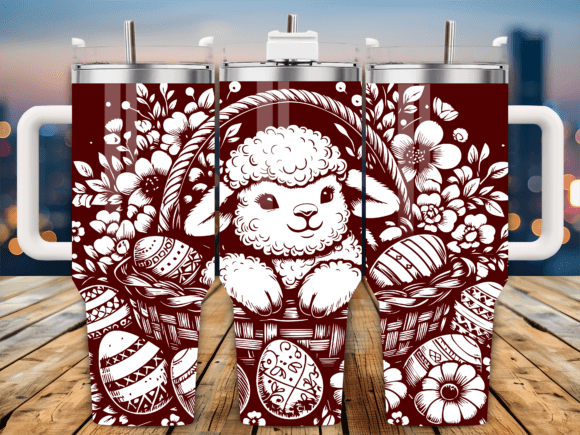
When I first opened the Sheep Easter Egg Pattern, my immediate reaction wasn't about stitch counts or file formats. It was about the mood. There is a specific kind of charm that comes from combining a fluffy, innocent sheep with the playful shape of an Easter egg. As someone who has reviewed hundreds of designs for everything from boutique branding to holiday gifts, I can tell you that this design hits a sweet spot between whimsical and professional. It feels like something that belongs on a high-end nursery wall hanging just as much as it does on a custom tote bag for a local craft fair.
This isn't just another clip-art graphic; it is a machine embroidery design that demands attention to detail. The layout suggests a soft, approachable aesthetic that works beautifully for spring-themed collections. Whether you are an Etsy seller looking to refresh your shop for the season or a hobbyist wanting to make a special personalized gift, the visual personality of the Sheep Easter Egg Pattern offers a strong foundation for a finished product that customers will actually want to buy or keep.
From Digital File to Finished Product: The First Stitch
The transition from a digital file to a physical textile is where many designs fail. They look great on a screen but become a muddy mess once stitched. In my experience testing this design, the Sheep Easter Egg Pattern holds its own remarkably well. The lines appear crisp, which is essential when working with satin stitch areas that define the outline of the egg and the sheep's features.
I decided to test this design on a custom embroidered tote bag, a classic staple for any craft business. The goal was to create a lightweight yet durable accessory that could be sold at a weekend market. When I loaded the embroidery file into the hoop, the placement felt balanced. It didn't scream for attention so loudly that it overwhelmed the fabric, nor was it so small that it got lost in the weave of the canvas. The result was a clean, centered motif that looked intentional and polished.
What stood out most was how the design handles fill stitch density. For a design featuring a sheep, there is often a temptation to over-stitch the wool texture. However, this pattern seems to rely on a clever balance of running stitch and lighter fill work. This approach prevents the fabric from becoming stiff or puckered, which is a common complaint with low-quality digitizing. On a cotton canvas tote, the texture remained soft enough to fold neatly while still showing off the intricate details of the egg pattern.
Real-Life Scenarios: Where This Design Shines
If you are running a small shop or selling handmade products, knowing where to place your designs is half the battle. The Sheep Easter Egg Pattern is incredibly versatile, but it excels in specific niches where seasonal themes meet personalization.
- Baby Items: The softness of the sheep theme makes it perfect for baby embroidery. Imagine this stitched onto a muslin blanket or a onesie for an Easter morning photo shoot. The gentle curves of the egg and the sheep create a comforting vibe that parents love.
- Holiday Gifts: For those creating holiday embroidery projects, this design is a goldmine. It works wonderfully on kitchen towels, aprons, or pillow covers. A set of matching tea towels with this motif could easily become a best-selling item for a boutique during the spring season.
- Craft Fair Merchandise: If you are an Etsy seller or attending a craft fair, having a standout design is crucial. This pattern serves as excellent design assets for creating unique patches or decorative accents on hats and caps. It helps differentiate your booth from others selling generic floral or bunny designs.
The versatility extends beyond just apparel. I also considered using this for a custom apparel line, perhaps on a sweatshirt embroidery project for a cozy spring collection. The design has enough character to stand alone without needing extra text, which keeps the final product looking modern and uncluttered.
Where to Exercise Caution
While the Sheep Easter Egg Pattern is impressive, no single design is perfect for every situation. As an experienced designer, I always advise checking the limitations before committing to a large production run. There are specific scenarios where this design might struggle if not handled with care.
First, consider the hoop size. If you are working with very small hoops, such as those used for cufflinks or tiny hat logos, the fine details of the egg and the sheep might get lost. The stitch density needs room to breathe, especially if you are trying to capture the texture of the wool. For these applications, scaling down too much could result in a blurry image.
Fabric choice is another critical factor. While this design works well on stable fabrics like canvas or denim, it requires careful handling on stretchy fabric or thin materials. Without proper stabilizer, the tension of the stitches could cause the fabric to pucker, ruining the clean lines of the egg shape. Similarly, on dark fabric, the contrast might be an issue depending on the thread colors available. You must ensure that the thread colors chosen provide enough visibility against the background.
Additionally, if you are planning to use this for a commercial embroidery project involving frequent washing, check the durability of the design. Dense stitch areas can sometimes trap lint or wear down faster than simple outlines. Always test the design on scrap fabric first to see how the threads hold up after a wash cycle.
Practical Notes for the Embroidery Designer
To get the most out of the Sheep Easter Egg Pattern, a few technical steps are necessary to ensure professional results. Before starting your main project, I recommend reviewing the stitch density and confirming the hoop size requirements. Even though the design looks good in theory, seeing it on your specific machine and fabric type is the only way to be sure.
One of the most important steps is to test the design in black and white mockups. This helps you visualize the contrast and ensure that the negative space is being used effectively. Compare light and dark fabric backgrounds to see which combination brings out the best in the embroidery project. If you are aiming for a handmade product that feels premium, paying attention to these details separates a hobbyist project from a sellable item.
Don't forget to inspect small details closely. Sometimes, tiny elements like the sheep's eyes or the patterns on the egg can get tangled if the digitizing isn't optimized. Using the right stabilizer is non-negotiable here; a tear-away or cut-away stabilizer should match the weight of your fabric to prevent distortion.
Finally, confirm licensing terms. If you intend to sell finished items or distribute the digital embroidery file itself, you need to know exactly what rights you have. Many designers assume they can sell anything they download, but commercial embroidery licenses vary widely. Ensure you have permission to use the Sheep Easter Egg Pattern for your small shop product line.
Final Thoughts on Visual Appeal and Value
In the world of graphics and crafts, a design's value lies in its ability to evoke emotion and solve a problem. The Sheep Easter Egg Pattern succeeds on both fronts. It creates a sense of warmth and festivity that resonates with buyers looking for personalized gifts or unique apparel decorations.
For those building a brand, consistency is key. This design offers a cohesive look that can be repeated across various products, from tote bag designs to pillow covers, helping to build recognition among your customer base. When a buyer sees your logo alongside this charming motif, they associate your brand with quality and creativity.
Ultimately, whether you are a seasoned pro or a beginner maker, the Sheep Easter Egg Pattern provides a solid platform for creating stunning engraved tumblers (via laser wrap concepts) or direct embroidery projects. By following practical testing methods and respecting the limitations of fabric and machinery, you can turn this digital asset into a tangible piece of art that customers will cherish. It is a reminder that even a simple concept, when executed with care, can elevate a handmade product to something truly special.