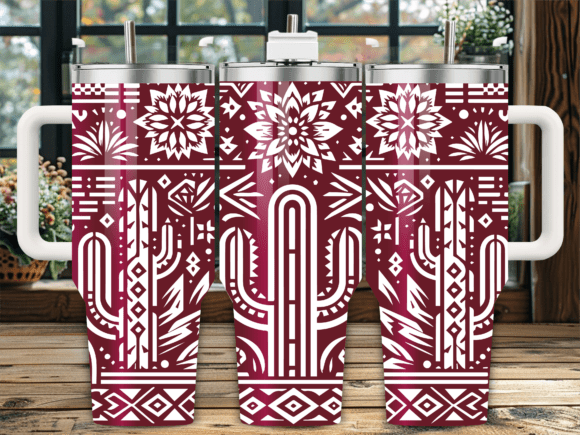
Western Boho Tribal Cactus: A Designer's Real-World Review
When I first opened the Western Boho Tribal Cactus file, my initial thought wasn't about the technical specs or the file formats. It was about the vibe. There is a specific energy that comes from combining tribal motifs with desert flora, and this design captures it perfectly. As someone who has spent years reviewing digital assets for both personal hobbies and commercial client work, I look for designs that offer more than just a pretty picture; I need to know if they will hold up under the needle, how they translate to different fabrics, and whether they elevate the final product enough to justify a higher price point.
This machine embroidery design carries a distinct mood. It feels grounded yet artistic, blending the ruggedness of the Southwest with the free-spirited flow of bohemian style. The layout suggests a piece that belongs in spaces where personality matters—think boutique shops, craft fairs, or personalized gifts for clients who appreciate unique aesthetics. Before diving into the stitching mechanics, it is crucial to understand the visual personality of Western Boho Tribal Cactus. It is not a simple outline; it implies depth and texture through its intricate patterns, which immediately signals to a customer that this is a high-quality, handcrafted item.
From Digital File to Finished Product
The transition from a digital screen to a physical embroidery project can be tricky. I recently tested this design concept on a custom embroidered tote bag intended for a local artisan market. The goal was to create a standout piece that would catch the eye of passersby without looking cluttered. The tribal elements provided a strong structural backbone, while the cactus theme added a touch of whimsy that resonated well with the target demographic.
In real-life scenarios, such as creating custom apparel like sweatshirts or t-shirts, the design's balance is key. When stitched onto a cotton blend fabric, the lines held their shape beautifully, avoiding the "blobbing" effect that often plagues dense fill stitches. However, the success of Western Boho Tribal Cactus depends heavily on your choice of thread colors. A monochromatic scheme using varying shades of sage green and terracotta brings out the tribal details, whereas a high-contrast black-on-white approach makes the geometric shapes pop aggressively. For a softer, more organic look, I recommend using variegated threads that shift from deep browns to dusty pinks, mimicking the natural hues of the desert landscape.
Ideas for Your Craft Business
If you are an Etsy seller or running a small shop, this design offers incredible versatility. It fits naturally into categories like nursery decor, holiday gifts, and wedding favors. Imagine a set of embroidered patches featuring this motif pinned onto denim jackets, or perhaps a series of kitchen towels adorned with the design for a housewarming gift. The aesthetic works equally well for baby embroidery projects, such as onesies or burp cloths, where the soft curves of the cactus contrast nicely with the sharp tribal lines.
- Tote Bag Design: Perfect for a large center placement on canvas bags, offering durability and style.
- Sweatshirt Embroidery: Ideal for chest logos or back prints, adding a trendy edge to casual wear.
- Baby Embroidery: Softens the look when used on caps or blankets, making it a great gift for expecting parents.
- Holiday Embroidery: Incorporates well into seasonal themes, especially for winter holidays or summer festivals.
The design also shines when used for commercial embroidery projects where brand consistency is vital. If you are building a boutique brand, having a cohesive library of design assets allows you to maintain a professional image across all products. Whether you are creating printable mockups for your online store or preparing actual finished goods, Western Boho Tribal Cactus provides a reliable visual anchor that customers recognize as part of a curated collection.
Navigating Technical Challenges
While the aesthetic appeal is undeniable, every experienced designer knows that execution is everything. There are specific situations where Western Boho Tribal Cactus requires careful consideration. First, let's talk about hoop size. Because the design features detailed corners and potentially intricate tribal patterns, attempting to stitch it in a very small hoop might result in lost detail or distorted geometry. Always ensure your hoop size accommodates the full width of the design without cutting off critical elements.
Fabric selection plays a massive role in the final outcome. Textured fabrics, such as heavy tweeds or loose weaves, can make satin stitches look uneven. Similarly, thin or stretchy fabrics like jersey knits require extra stabilization to prevent puckering. If you plan to use this design on dark fabric, pay close attention to the thread density. You may need to add a top stabilizer or increase the stitch count slightly to ensure the lighter colors show up clearly against the background. For curved surfaces like caps, the design must be digitized specifically for the curve, or the perspective will look off once applied.
Dense stitch areas are another potential pitfall. While the design looks great in theory, too much density can make the fabric stiff and uncomfortable, particularly on items like baby clothes or aprons that need to drape softly. If you are working with applique design techniques, the underlying fabric needs to be sturdy enough to support the additional layers. Always test the design on scrap fabric first to gauge the tension and stability requirements.
Practical Notes for the Maker
To get the most out of this embroidery file, I suggest following a few practical steps before committing to your final project. Start by checking the stitch density in your software. If the fills are too tight, consider adjusting the settings to allow for better fabric breathability. Review the running stitch and satin stitch paths to ensure there are no overlapping errors that could cause thread breaks.
Don't forget to inspect small details closely. Sometimes, fine lines can disappear if the thread color matches the fabric too closely. Testing in black and white mockups can help you visualize the contrast levels before you even start sewing. Also, confirm whether the design works for both personal and commercial projects by reviewing the licensing terms. Many creators overlook this step, leading to legal issues down the line.
Finally, think about the end-user experience. How will the customer feel wearing or holding the item? Does the design enhance the handmade product value, or does it feel generic? Western Boho Tribal Cactus has the potential to be a signature element in your portfolio, but only if executed with precision. By paying attention to stabilizer choices, thread contrasts, and fabric textures, you can turn a simple digital download into a premium finished product that builds trust and engagement with your buyers.
In the world of crafts and graphics, finding a design that balances artistic flair with technical feasibility is rare. This piece manages to do just that, offering a versatile tool for anyone looking to expand their creative offerings. Whether you are a hobbyist making gifts for family or a business owner scaling your operations, Western Boho Tribal Cactus provides a solid foundation for creating memorable, high-quality embroidery work.