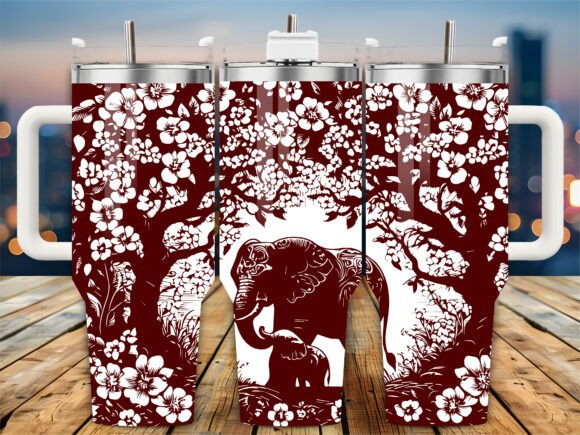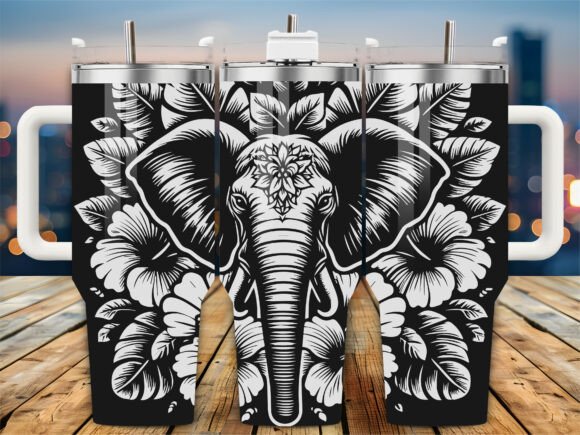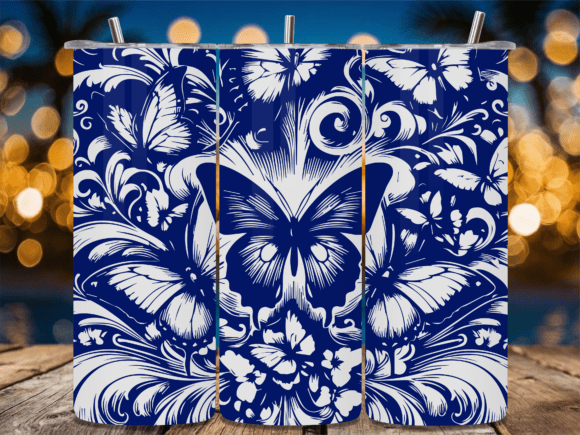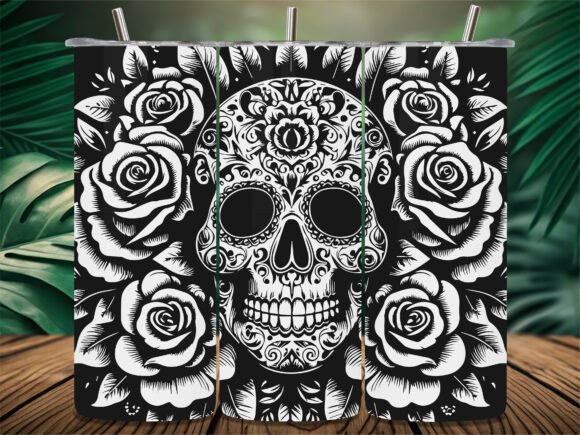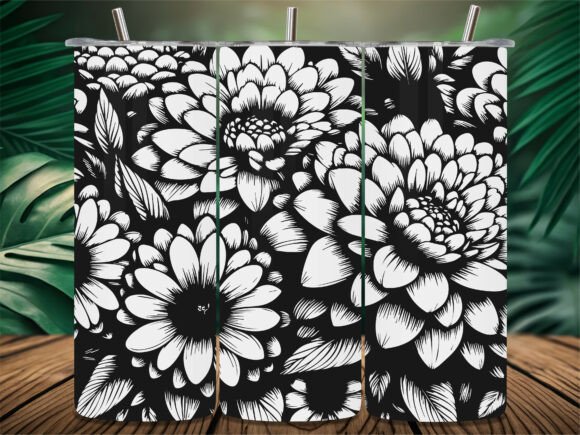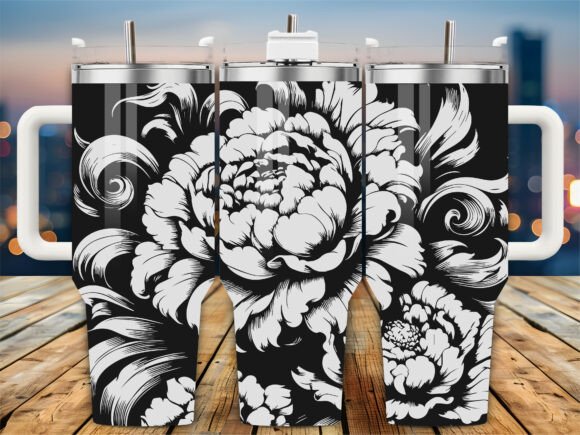
Poppy Flower Field 40oz Tumbler
When I first opened the file for Poppy Flower Field 40oz Tumbler, my initial reaction wasn't about the technical specs, but rather the mood it instantly conjured. As a designer who spends hours staring at stitch patterns and thread samples, I look for that spark of personality before I even load the machine. This design doesn't just sit there; it feels vibrant and organic, evoking the feeling of a sun-drenched meadow. It is categorized under Crafts and Graphics, but in my experience, those labels often feel too narrow for something with this much visual potential.
I immediately started thinking about how this would translate from a digital preview to a tangible handmade product. The layout suggests a flowing, naturalistic arrangement rather than a rigid, geometric block. For an embroidery project focused on personalization or boutique branding, that fluidity is crucial. It avoids the "stiff" look that can sometimes plague mass-produced designs. My gut tells me this isn't just a decorative element; it's a statement piece that could elevate a simple tote bag into a keepsake.
Real-World Application: From Screen to Stitch
To truly evaluate Poppy Flower Field 40oz Tumbler, we have to move past the screen and imagine it on fabric. Let's say I am preparing a custom order for a client who runs a small flower shop. They need a tote bag design that screams summer without being cliché. I placed the design mentally onto a sturdy canvas tote. The poppies seemed to bloom naturally across the side panel, creating a focal point that draws the eye immediately.
However, I also considered its versatility beyond bags. Imagine this as a sweatshirt embroidery detail on a soft fleece pullover. The contrast between the bold floral theme and the cozy texture of the knit fabric would be striking. Or perhaps for a nursery decor item, like a pillow cover for a baby's room. The baby embroidery market is saturated, so having a design that feels fresh and artistic is key to standing out. In these scenarios, the design acts as a premium personalized gift element, adding value to the finished product.
I also ran a mental simulation for a commercial embroidery project involving aprons for a local bakery. The design fits perfectly on the chest area of a chef's coat or the bib of a kitchen towel. It brings a sense of warmth and hospitality that customers love. When you are selling on Etsy or at a craft fair, that emotional connection is what turns a browser into a buyer. The design's ability to adapt to various items—from custom apparel to holiday embroidery gifts—makes it a versatile asset for any craft business.
Where Caution Is Required
Despite its charm, every machine embroidery design has its limits. I had to consider where Poppy Flower Field 40oz Tumbler might struggle. If I were attempting to stitch this onto a stretchy fabric like a jersey cap, I would need to be extremely careful. The density of the petals could cause puckering if not stabilized correctly. Similarly, on thin fabrics like silk or lightweight cotton, the weight of the threads might distort the material, ruining the clean lines intended by the original graphics.
Another critical factor is the hoop size. While the design looks expansive, fitting it into a small hoop requires precise digitizing judgment. If the hoop size is too small for the full field, you risk losing the delicate details of the stems and leaves. I also worry about textured fabrics. On a heavy tweed or a nubby linen, the fine details of the satin stitch might get lost in the weave, making the poppies look muddy rather than crisp.
Dense stitch areas are another consideration. If the design relies heavily on fill stitches to create the depth of the flower heads, it adds significant bulk. This can be problematic for items that need to lay flat, like a patch or a flat applique design. Furthermore, on dark fabrics, the thread colors need to be chosen with extreme care. Without high-density coverage, the underlying fabric color might bleed through, compromising the visual appeal of the final piece.
Design Notes for the Professional Maker
Before committing this file to a production run, I always advise testing the embroidery file on scrap fabric. This step is non-negotiable. You need to verify the stitch density and ensure that the thread colors provide enough contrast against your specific background. A digital embroidery file is only as good as its execution on the actual material.
Inspecting small details is vital. Look closely at the corners and the finer lines of the petals. Do they hold up well, or do they break apart? Using a running stitch for outlines can help define the shape without adding unnecessary bulk, but you must check that the spacing is consistent. I also recommend creating black and white mockups to see how the design reads without color distraction. This helps assess the balance and composition of the design assets.
Stabilizer selection plays a massive role in the success of this project. For a dense floral design, a cut-away stabilizer is often necessary to support the fabric during and after stitching, ensuring the finished product remains durable through washing. If you are planning to sell these items commercially, confirming the licensing terms is essential. Ensure you have the right to use the design for commercial embroidery and that you understand the rules regarding small shop products.
The visual impact of Poppy Flower Field 40oz Tumbler on customer trust cannot be overstated. A clean, professional-looking embroidery job signals quality. When a customer receives a handmade product with such attention to detail, their perception of your brand shifts. They see a level of craftsmanship that justifies a higher price point. This design, when executed well, becomes a tool for building brand consistency and fostering buyer engagement.
Final Thoughts on Practical Value
In conclusion, Poppy Flower Field 40oz Tumbler is more than just a pretty picture; it is a functional tool for creative entrepreneurs. Whether you are an Etsy seller looking to expand your catalog or a hobbyist wanting to create a unique gift, this design offers a strong foundation. Its strength lies in its ability to convey nature and beauty through thread, provided you respect the limitations of the fabric and machine.
By treating it with the same care you would any other embroidery project, checking your stabilizer choices, and testing your thread colors, you can transform a digital file into a stunning physical reality. It fits seamlessly into the world of apparel decorators and digital product sellers alike. Just remember to review the specifics of the file format and machine compatibility before starting your next big batch. With the right preparation, this design can be a standout addition to your portfolio of design assets.